Arctic Circle Project
The Arctic Circle Project is a body of work developed from 2009, spanning multiple expeditions to the Arctic and sub-Arctic, an artist residency in Bergen, Norway, and exhibitions in France, Canada and the UK. At its center is a re-examination of the Arctic as a site of masculine imagination — historically the terrain of imperial explorers, romanticized in painting and literature, and, later, the subject of a significant moment in conceptual art.
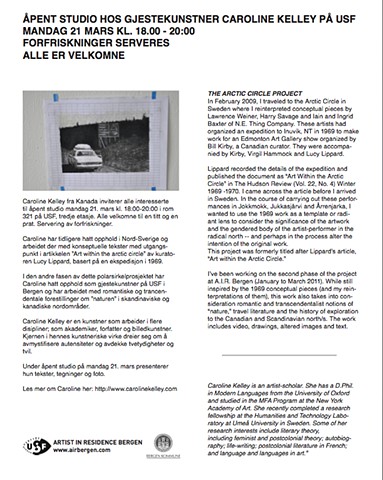
The project began in February 2009, when I traveled to the Swedish Arctic to reinterpret conceptual pieces made forty years earlier by Lawrence Weiner, Harry Savage, and Iain and Ingrid Baxter of N.E. Thing Company. These works were produced during a 1969 expedition to Inuvik, NT — organized by Bill Kirby for the Edmonton Art Gallery — and recorded by Lucy Lippard in her essay "Art Within the Arctic Circle" (Hudson Review, Vol. 22, No. 4, 1969–70). I came across Lippard's article shortly before arriving in Sweden to begin a research fellowship at Umeå University.
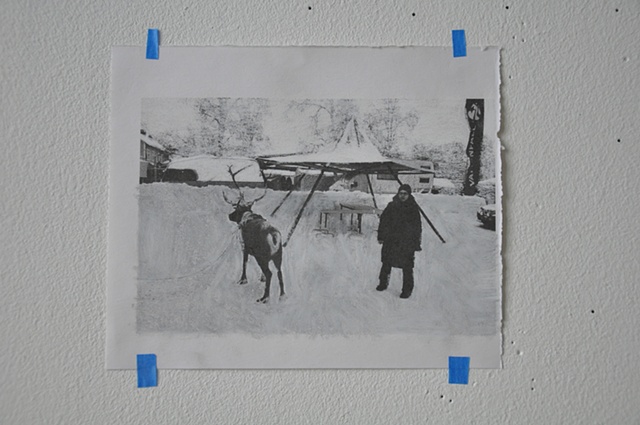
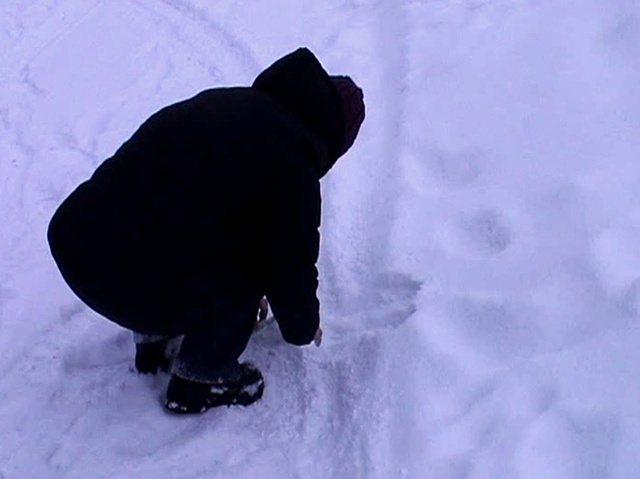
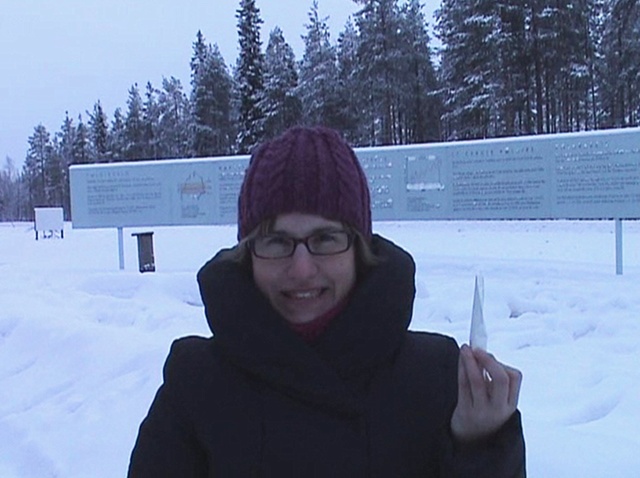
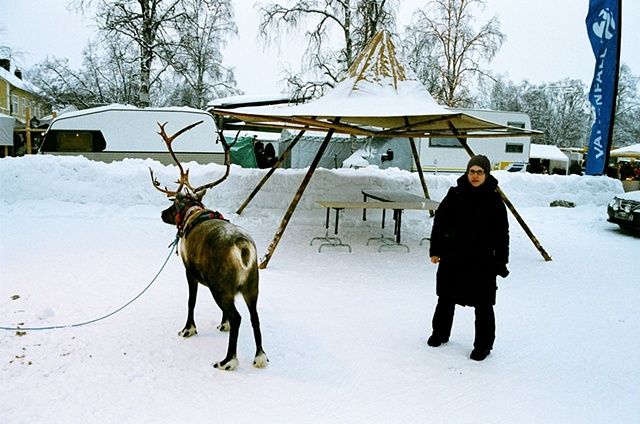
Carrying out my reinterpretations in Jokkmokk, Jukkasjärvi, and Årrenjarka, I approached the 1969 work as a template through which to re-examine the dual significance of the artwork and the gendered body of the artist in the context of the far north — and, in the process, to alter the original intentions of the pieces.
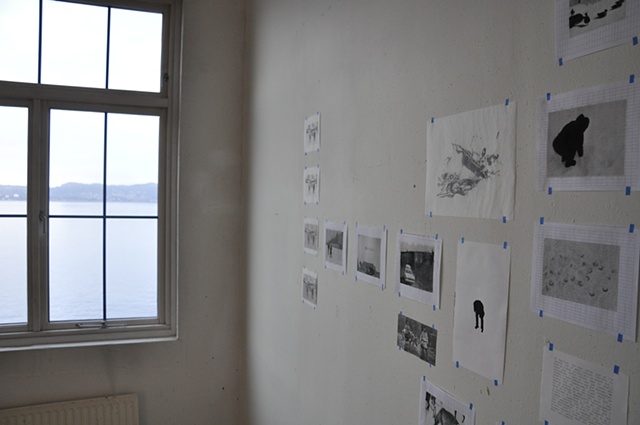
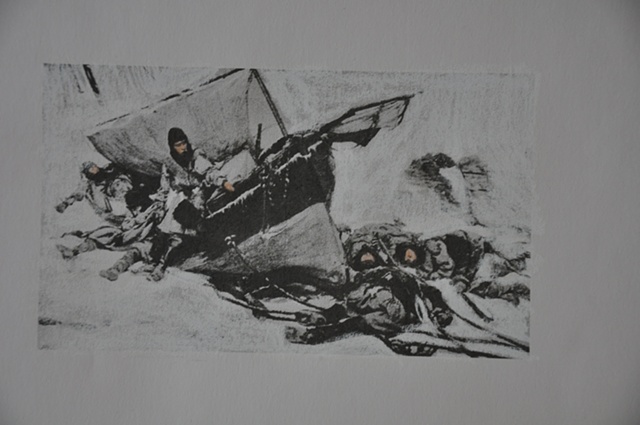
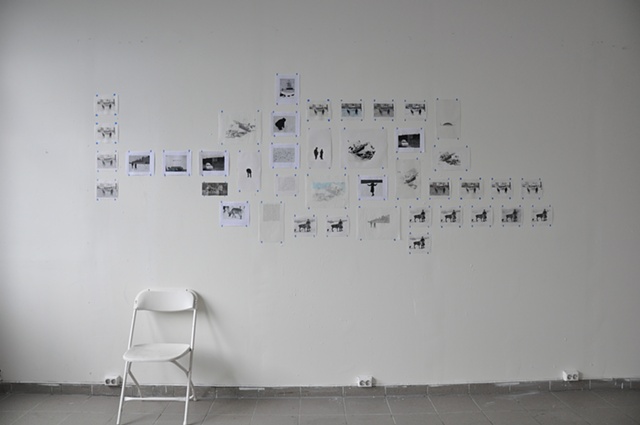
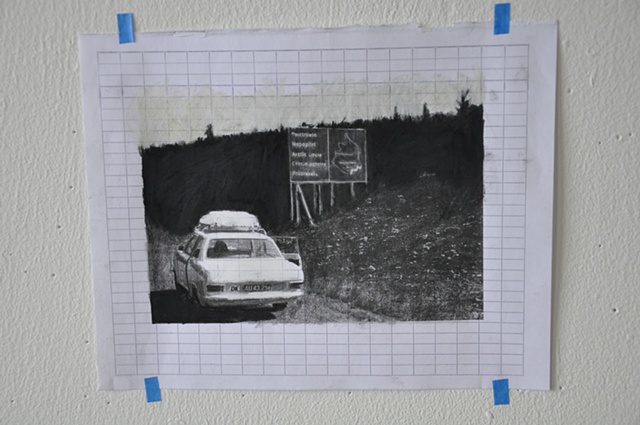
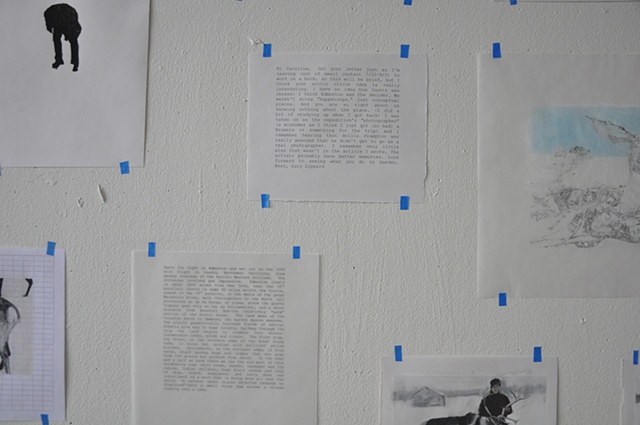
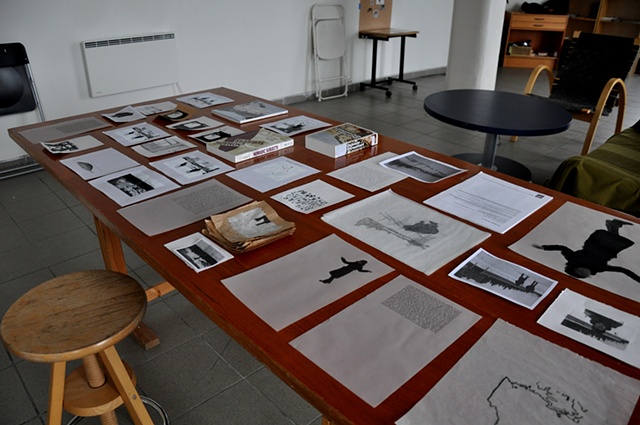
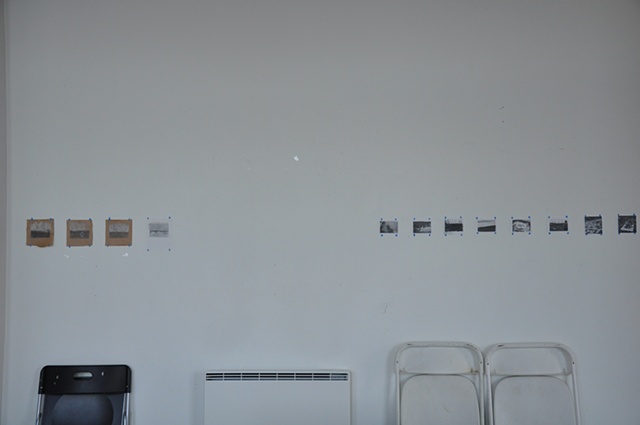
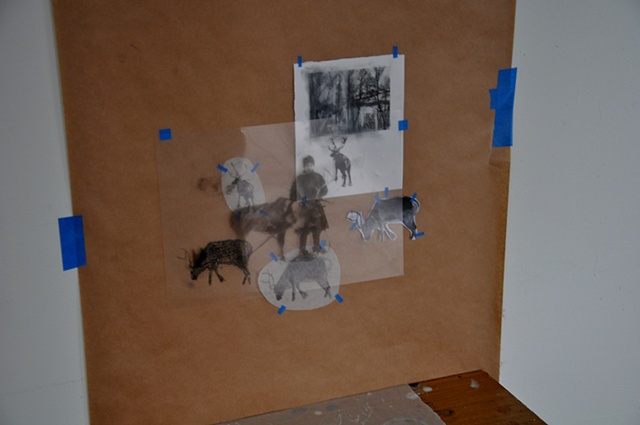
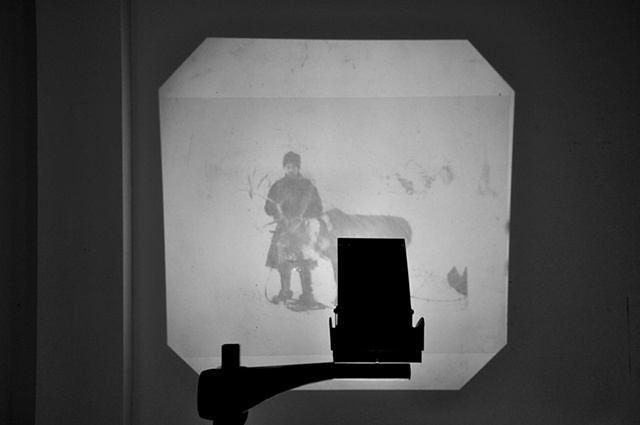
The work was further examined and expanded during a residency at Stiftelsen Kulturhuset USF in Bergen, Norway. There, my own reinterpretations were set alongside photographs taken by Lippard during the 1969 expedition as well as tracings of archival images of Arctic explorers, including reproductions of paintings such as W. T. Smith's 1895 portrait of Sir John Franklin and his men.
Between 2009 and 2012, I corresponded with Lucy Lippard about her experience of recording and interpreting the original pieces in 1969. This correspondence is now part of the work.
The project draws on photography, drawing, artists' books, video and film, installation, correspondence, and archival research.